
Unlocking Precision: The Essential guide too Pin Micro Servo servo-drives/” title=”Diamond Plus Series Servo Drivers”>drivers
In the realm of robotics and automation, precision is the key that unlocks the potential of intricate designs and refined movements. At the heart of this precision lies an often-underappreciated component: the pin micro servo driver. As technology evolves and the demand for miniature,efficient systems grows,understanding how to leverage these tiny powerhouses becomes essential for engineers,hobbyists,and enthusiasts alike. This guide delves into the world of pin micro servo drivers, unraveling their intricacies and showcasing their capabilities. From essential concepts to advanced applications, we aim to provide you with the knowledge needed to master these devices and enhance your projects with unmatched accuracy and control. Join us on this journey as we explore the essentials of pin micro servo drivers and discover how they can transform your approach to precision engineering.
Table of Contents
- Understanding Pin Micro Servo Drivers and Their Applications
- Key Features to Look for in High-Performance Servo Drivers
- Optimal Wiring and Configuration Techniques for Precision Control
- Troubleshooting Common Issues with Pin Micro Servo Drivers
- Q&A
- In Retrospect
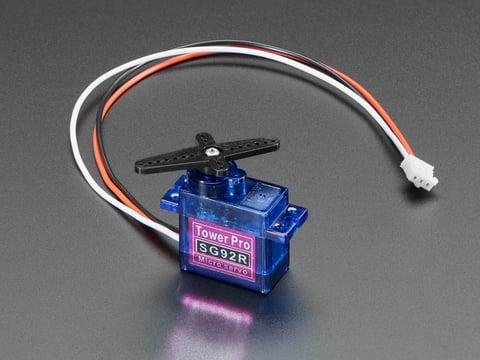
Understanding Pin Micro Servo Drivers and Their Applications
Pin micro servo drivers are compact and efficient components integral to a variety of projects that require precise control of movement. These small yet powerful devices convert electrical signals into mechanical motion, allowing or restricting the rotation of the servo motor based on the instructions received. Typically powered by a direct current, they excel in environments with limited space, making them a favorite in robotics, remote-controlled vehicles, and hobbyist projects where size and weight are critical factors.
One of the importent advantages of pin micro servo drivers is their versatility. They can be employed in multiple applications, including:
- robotics: Enabling joint movement in robotic arms and legs.
- Remote-Controlled Devices: steering mechanisms in RC cars, boats, and drones.
- Automation: Used in drawer systems, camera gimbals, and home automation tasks.
When integrating these drivers into your projects, it is essential to consider several key specifications to ensure optimal performance:
| Specification | Description |
|---|---|
| Operating Voltage | Typically ranges from 4.5V to 6V |
| Torque | Varies from 1.5 kg/cm to 3 kg/cm |
| Angular Range | Generally 0 to 180 degrees |
Key Features to Look for in High-Performance Servo Drivers
When selecting a high-performance servo driver, ensure it meets the essential demands of precision, control, and versatility in varying applications.Response time is critical; a shorter response time allows the servo driver to react quickly to changes in control instructions, enhancing overall performance. Moreover,consider the control method offered by the driver,as various techniques,such as PWM (Pulse Width Modulation) and analog control,can influence the driver’s fidelity and user experience.
Another important feature is the compatibility with different types of motors.A good servo driver should support a range of motors, including brushed and brushless DC motors. This flexibility enables it to serve diverse projects and needs. Additionally, communication protocols such as CAN, RS232, or Ethernet should be supported, allowing for seamless integration into automated systems and enhancing the scope of connectivity across devices.
look for driver features that enhance safety and operability. Overcurrent protection and temperature sensors can prevent damage and ensure the longevity of the system. Moreover, diagnostic features that provide real-time feedback facilitate troubleshooting and maintenance, ensuring your project runs smoothly. Evaluating these aspects will help you select a servo driver that not only meets your current needs but is also adaptable for future projects.
Optimal Wiring and Configuration Techniques for Precision Control
When delving into the world of pin micro servo drivers, achieving optimal wiring and configuration is paramount for precision. Attention to detail in the wiring process not only safeguards against signal interference but also enhances the overall efficiency of your setup. Consider these best practices to streamline the wiring process:
- Use Quality Wires: Employ wires that are well-insulated and of the appropriate gauge to ensure minimal resistance and optimal signal transmission.
- Keep Connections Secure: Utilize soldering or high-quality connectors to maintain solid electrical connections and prevent intermittent failures.
- Avoid Cross-Talk: Separate power and signal lines to reduce the risk of noise and interference, especially in high-frequency applications.
In terms of configuration, understanding the specific needs of your servo can considerably impact performance. Utilize the following configuration tips to unlock the full potential of your servo drivers:
| Configuration Aspect | Recommended Setting |
|---|---|
| Pulse Width Modulation (PWM) Frequency | 50 hz for standard servos |
| Travel Range | Adjust to avoid mechanical strain |
| Deadband Width | Set minimal to increase responsiveness |
implementing effective control techniques can enhance precision and responsiveness in your projects. Explore these control strategies for optimal results:
- closed-Loop Control: Utilize feedback systems to make real-time adjustments to servo position and speed.
- Interpolation: apply algorithms to smoothly transition between positions for complex movements.
- Calibration: Regularly calibrate the system to accommodate any changes in load or environmental conditions.
Troubleshooting Common Issues with Pin Micro Servo Drivers
Troubleshooting issues with pin micro servo drivers is essential for maintaining optimal performance and ensuring reliable operation in your projects.One common problem users encounter is insufficient power supply.When a servo isn’t receiving enough voltage, it may twitch or fail to respond. To resolve this,double-check your voltage regulator or battery source to ensure it meets the specified voltage requirements for your servo model,usually noted in the manufacturer’s datasheet.
Another frequent issue involves signal interference or poor connection. If your servo is erratic in its movements or doesn’t respond to control commands, consider reviewing your wiring and connectors. Make sure all connections are secure, and utilize high-quality jumper wires. Additionally, distance between the servo and the controller can introduce latency or signal degradation, so keeping connections as short as possible is frequently enough beneficial.
Lastly, it’s essential to be aware of correct pulse width modulation (PWM) settings. Different servo models require specific PWM frequencies and ranges to operate correctly. If your servo is buzzing or not moving appropriately, verify that your PWM signal matches the requirements for your specific type of servo. consult the datasheet for guidelines on the PWM range, typically between 1 millisecond and 2 milliseconds, to achieve the expected angles of movement.
Q&A
Q&A: Unlocking Precision – The Essential Guide to Pin Micro Servo Drivers
Q1: What exactly is a pin micro servo driver,and why is it critically important in robotics?
A1: A pin micro servo driver is a specialized electronic component designed to control the movement of micro servos with pinpoint accuracy. These drivers convert signals from microcontrollers or other control systems into precise movements, allowing robotics enthusiasts to achieve intricate designs and functionalities. Their importance lies in their ability to deliver smooth, reliable performance in applications ranging from simple hobby projects to complex robotic systems.
Q2: How does a pin micro servo driver differ from customary servo drivers?
A2: The primary difference between a pin micro servo driver and traditional servo drivers is in their size, precision, and control mechanisms. Pin micro servo drivers are typically more compact, making them suitable for smaller projects and tighter spaces. additionally, they frequently enough provide finer control over the servo’s position, speed, and torque, resulting in smoother transitions and more refined movements, which is crucial for applications requiring high precision.
Q3: What are some common applications for pin micro servo drivers?
A3: Pin micro servo drivers find applications in various fields, including robotics, automation, model making, and DIY electronics. They are commonly used in robotic arms, drones, animatronics, and even in home automation systems. Their versatility enables creators to harness their precision in both functional devices and artistic installations, making them a favorite among hobbyists and professionals alike.
Q4: What should I consider when selecting a pin micro servo driver for my project?
A4: When selecting a pin micro servo driver, consider several factors: the voltage and current requirements of your servo, the control compatibility with your microcontroller, the desired precision and range of motion, and the driver’s response time. it’s also important to assess how many servos you plan to control simultaneously, as some drivers cater to multiple servos better then others.
Q5: Are there any specific features I should look for to enhance precision?
A5: Yes, several features can enhance precision in pin micro servo drivers.Look for drivers with advanced control algorithms that minimize jitter and latency, as well as those that support feedback mechanisms, such as rotary encoders, which provide real-time position data. Additionally, programmable drivers allow you to customize response curves, which can significantly improve the precision of movements based on your unique requirements.
Q6: Can you recommend some popular pin micro servo drivers for beginners?
A6: absolutely! A few accessible options for beginners include the SG90 Micro Servo Driver and the MG996R Driver. Both are widely used, affordable, and supported by extensive online resources. For those looking for a more advanced solution,the HobbyKing Mini servo Controller offers multiple output channels and programmable features that can help elevate your projects.
Q7: What troubleshooting tips can you offer for using pin micro servo drivers?
A7: When using pin micro servo drivers, common issues may include erratic movements or lack of response. Ensure that your power supply meets the voltage and current requirements of your servos. Check your connections for solidity,and confirm that your control signals are being transmitted correctly from your microcontroller. If you’re experiencing jitter,fine-tuning the signal timing may help mitigate the issue.
Q8: Any closing thoughts for aspiring builders looking to work with pin micro servo drivers?
A8: Embrace creativity and experimentation! Pin micro servo drivers open up a world of possibilities in robotics and electronics. Start with small projects to grasp the fundamentals and gradually challenge yourself with more complex designs. With patience and practice, you’ll unlock the full potential of precision control in your robotics endeavors.Happy building!
In Retrospect
As we conclude our exploration of pin micro servo drivers, it becomes clear that mastery over these petite powerhouses can open doors to a world of innovation and precision in robotic applications, hobby projects, and beyond. With their compactness and versatility, pin micro servo drivers are not just components; they are essential instruments that empower creators to turn their visions into reality.
By understanding their mechanics, tuning their responses, and implementing thoughtful design principles, you can harness the full potential of these devices. Whether you’re a seasoned engineer or a curious beginner, the insights provided in this guide lay the foundation for your next project, encouraging experimentation and inspiring creativity.
As technology continues to evolve, the role of precise control systems like pin micro servo drivers will only grow in importance. embrace the possibilities they offer, and let your imagination lead the way. Armed with knowledge and a spirit of inquiry, you are now poised to unlock precision in your endeavors. The journey ahead is boundless—go forth and create!