
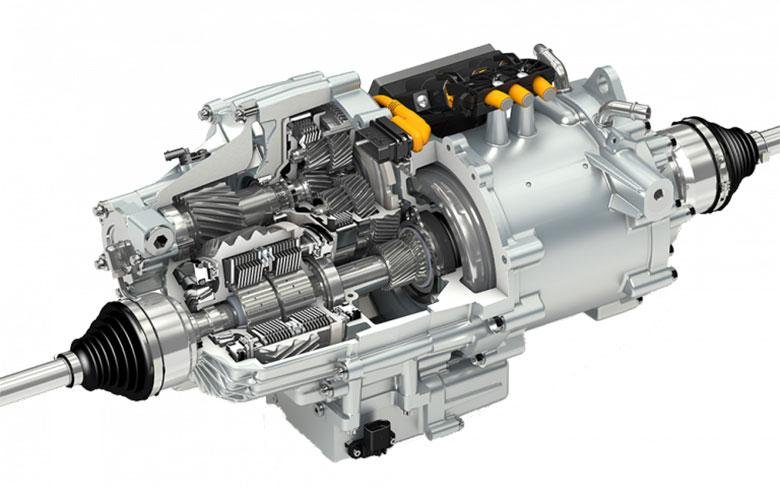
In a world where innovation dictates the pace of progress, the emergence of low-voltage DC <a href="https://ydservo.com/product/diamond-plus-series-pin-servo-drivers/” title=”Diamond Plus Series Pin Servo Drivers”>servo drivers stands as a pivotal advancement in the realm of automation and control systems.As industries increasingly gravitate towards more efficient and enduring solutions, these compact yet powerful devices promise to transform the landscape of motion control. The future beckons with possibilities, where the nuances of precision engineering intertwine with the demand for energy efficiency and performance. This article delves into the heart of low-voltage DC servo drivers, exploring their potential to revolutionize applications across diverse sectors—from robotics to aerospace—and examines the technological advancements that are unlocking unprecedented levels of capability and accessibility in this dynamic field. Join us as we navigate the intricate pathways leading to a future where the full potential of motion control is not just envisioned, but realized.
Table of Contents
- Exploring the Technological Landscape of Low-Voltage DC Servo Drivers
- Harnessing Energy Efficiency for Sustainable automation Solutions
- Innovations in Control Algorithms and Their Impact on Performance
- Navigating Market trends: Recommendations for Industry Adoption
- Q&A
- To Wrap It Up
Exploring the Technological Landscape of Low-Voltage DC Servo Drivers
The realm of low-voltage DC servo drivers is witnessing a transformative shift, spurred by advancements in various technologies. As automation and robotics become integral to manufacturing processes, the demand for precision control in motion systems is ever-increasing. Low-voltage DC servo drivers are at the forefront of this evolution, offering exceptional energy efficiency and compact design, which align perfectly with contemporary engineering goals. With reduced power consumption and enhanced thermal performance, these drivers cater to applications ranging from industrial automation to consumer electronics.
In exploring the features of modern low-voltage DC servo drivers, several key elements come to the fore:
- Compact Size: Tailored for tight spaces, these drivers facilitate design adaptability.
- High Efficiency: Utilizing state-of-the-art technologies to minimize energy loss during operation.
- Advanced Control Algorithms: Enhances performance, allowing for smoother operation and faster response times.
- Robust Interaction Interfaces: Compatibility with various protocols ensures seamless integration into existing systems.
The future scope of these servo drivers is not just limited to improved functionality. As we delve deeper into AI and machine learning, predictive maintenance and real-time diagnostics are becoming viable. Manufacturers are looking towards integrating smart technologies that will allow for easier monitoring and adjustment of performance metrics, thus enabling predictive analytics. The modernization of low-voltage DC servo drivers could potentially include the following benefits:
| Benefit | Description |
|---|---|
| Cost Reduction | Lower operational costs through enhanced energy efficiency. |
| Improved Lifespan | Less wear and tear due to optimized control, enhancing component longevity. |
| Enhanced Performance | Greater precision and responsiveness in motion control tasks. |
Harnessing Energy Efficiency for Sustainable Automation Solutions
In an era where resource conservation is paramount, low-voltage DC servo drivers are emerging as pivotal players in promoting sustainable automation solutions. These systems utilize energy-efficient technologies that minimize power consumption while maximizing output. By integrating advanced control algorithms and robust feedback mechanisms, they ensure optimal performance without excessive energy expenditure. This transformation paves the way for industries to lower their carbon footprints while enhancing productivity.
Emphasizing energy efficiency entails examining several key factors that influence automation processes. More specifically,the use of low-voltage DC servo drivers can lead to:
- Reduced Energy Consumption: These systems require less power,translating into lower operational costs.
- Longer Equipment lifespan: Enhanced energy efficiency leads to less heat generation, minimizing wear on components.
- Scalability: These drivers are adaptable, making it easier for businesses to expand automation without meaningful reinvestment in energy costs.
Furthermore, the integration of low-voltage DC servo drivers contributes to a shift towards renewable energy sourcing. By aligning servo technology with solar or wind energy solutions, businesses not only uphold environmental duty but also create a sustainable energy cycle. As industries progressively move towards eco-amiable practices, leveraging these advanced technologies can catalyze the transition to smarter, greener manufacturing processes.The future of automation is not just about efficiency—it’s about creating a harmonious balance between productivity and environmental stewardship.
Innovations in Control Algorithms and Their Impact on Performance
The advancement of control algorithms has been a driving force behind the progress in low-voltage DC servo drivers. Control algorithms such as PID (Proportional, Integral, Derivative) and Fuzzy Logic have evolved, improving the responsiveness and stability of servo systems. These sophisticated algorithms allow for real-time adjustments to performance parameters, ensuring optimal operation under varying loads and speed conditions. As a result, servo drivers can achieve precise positioning and smooth motion control, which are critical in applications ranging from robotics to automation.
Moreover, the integration of machine learning techniques into control algorithms is paving the way for predictive maintenance and enhanced adaptability. By analyzing historical performance data, algorithms can learn from previous trends and make proactive adjustments. this capability translates to benefits such as reduced energy consumption, improved efficiency, and extended system lifespan. The potential for self-tuning control mechanisms represents a major paradigm shift that could redefine how low-voltage DC servo systems operate in dynamic environments.
To illustrate the impact of these innovations, consider the following table comparing conventional and advanced control algorithms in terms of key performance metrics:
| Control Algorithm | Response Time | Stability | Energy Efficiency |
|---|---|---|---|
| Traditional PID | Moderate | Good | average |
| Fuzzy Logic | Fast | Very Good | High |
| Machine Learning | Instant | Excellent | Maximal |
As these advanced control algorithms continue to mature, they not only enhance the functionality of low-voltage DC servo drivers but also open new avenues for their request. Industries are now adapting to these technological advancements, providing environments where automation and precision are no longer just goals but achievable realities. Ultimately, this trajectory points toward a future where performance optimization is continuous, transparent, and seamlessly integrated into operational processes.
Navigating Market Trends: recommendations for Industry Adoption
As market dynamics shift toward increased automation and energy efficiency, industries are encouraged to lead the transition by adopting low-voltage DC servo drivers.These devices not only provide high performance but also improve energy consumption rates, aligning with global sustainability goals. industries should consider the following recommendations for seamless adoption:
- conduct an Energy Audit: Evaluate current power consumption and identify areas where low-voltage DC servo drivers can reduce energy costs.
- Invest in Training: Ensure staff are well-versed in the new technology to maximize its potential and minimize downtime during the transition.
- Pilot Programs: Launch small-scale test projects to assess the impact of adopting DC servo drivers in specific operations before broader implementation.
To further bolster adoption, organizations should leverage strategic partnerships with suppliers and technology experts. Collaborating with experienced vendors can provide critical insights and technical support throughout the implementation phase. Consider engaging in co-growth projects, which can yield customized solutions tailored to your specific operational needs:
| Partnership Type | Benefits |
|---|---|
| Technology Suppliers | Access to the latest innovations and financial incentives |
| Consultancy Firms | Expert guidance on operational integration and best practices |
| Research Institutions | Cutting-edge research insights that drive future advancements |
as the market continues to evolve, staying ahead of technological advancements is crucial. Regularly updating knowledge on emerging trends and innovations provides a competitive edge. Consider subscriptions to industry publications or setting up a news aggregator for real-time updates. Engaging with industry forums and attending trade shows can also offer valuable insights:
- Join Industry Associations: Gain access to exclusive resources, research reports, and networking opportunities.
- Follow Industry Leaders: Stay informed by tracking the innovation paths of key market players and incorporating their practices where applicable.
- Invest in R&D: Establish dedicated teams to explore new applications, enhancing the scope of low-voltage DC servo drivers across various sectors.
Q&A
Unlocking Potential: The Future of Low-Voltage DC Servo Drivers – Q&A
Q1: What exactly are low-voltage DC servo drivers, and why are they crucial in modern applications?
A1: Low-voltage DC servo drivers are specialized electronic devices that control the movement of DC servo motors by regulating voltage and current. They integrate feedback mechanisms to ensure precise movement and positioning, making them crucial in applications such as robotics, automation, and CNC machining. Their importance lies in their ability to provide high efficiency, flexibility, and accuracy in motion control, which are essential for the evolving demands of modern technology.
Q2: How do low-voltage DC servo drivers differ from traditional AC servo drivers?
A2: The primary difference between low-voltage DC servo drivers and traditional AC servo drivers lies in their power source and control method. Low-voltage DC systems operate typically at lower voltages (often below 60V) and offer simpler, more compact designs, which can reduce overall system costs. In contrast, AC servo drivers operate at higher voltages and generally provide better performance in terms of torque and speed under heavy loads.However, the trend is shifting towards low-voltage systems due to their compatibility with modern digital controllers and energy efficiency.
Q3: What advancements are being made in the technology of low-voltage DC servo drivers?
A3: Recent advancements include improved control algorithms that enhance responsiveness and reduce latency during operation. Innovations in semiconductor technology, such as the use of silicon carbide (SiC) and gallium nitride (GaN) materials, allow for higher performance and efficiency at lower voltages. additionally, integration of IoT capabilities enables real-time monitoring and optimization, making low-voltage DC servo drivers more adaptable and clever.
Q4: What industries are likely to benefit the most from these advancements?
A4: industries such as manufacturing, logistics, robotics, automotive, and aerospace are poised to benefit significantly from advancements in low-voltage DC servo drivers.As automation becomes more prevalent, the demand for precise control and efficiency increases.Moreover, applications in renewable energy, like solar tracking systems and electric vehicles, also present opportunities where low-voltage solutions can lead to enhanced performance and reduced energy consumption.Q5: Some may wonder about the future landscape of low-voltage DC servo drivers. what trends do you foresee?
A5: The future landscape of low-voltage DC servo drivers will likely be dominated by increased miniaturization and integration with advanced technologies such as AI and machine learning. This would enable smarter motion control systems that learn and adapt to operational conditions. Additionally, the push for sustainability may lead to further innovation in energy-efficient designs and materials, affirming the role of these drivers in the green technology movement.Lastly, we may see an expansion into new markets, including consumer electronics, where precision motion control becomes increasingly essential.Q6: What are some common misconceptions about low-voltage DC servo drivers?
A6: One common misconception is that low-voltage systems are inherently less powerful or capable then their higher-voltage counterparts.While it’s true that higher voltages can deliver more torque, low-voltage DC servo drivers can still provide exceptional precision and responsiveness suited for many applications. Another misconception is that they are not versatile; in reality, their design allows for adaptability across various sectors and applications, making them a valuable asset in the evolution of automation technology.
Q7: How can companies prepare to embrace low-voltage DC servo driver technology in their operations?
A7: Companies looking to adopt low-voltage DC servo driver technology should start by assessing their current automation systems and determining where improvements can be made. Investing in training for their workforce to understand and implement these technologies is critical.Additionally, collaborating with technology providers and engaging in ongoing research will help them stay at the forefront of advancements. integrating smart technologies into their systems can optimize performance and usher in an era of efficient, intelligent manufacturing.
To Wrap It Up
As we draw the curtain on our exploration of low-voltage DC servo drivers, it becomes clear that we are standing at the threshold of a significant technological evolution. The potential these devices hold is not merely a flicker of innovation; it is a beacon guiding us toward more efficient, responsive, and sustainable automation solutions. as industries continue to embrace the shift towards electric drive systems, the integration of advanced servo drivers can be expected to streamline processes, enhance precision, and unlock new levels of performance.
The future is shining, buzzing with the promise of smarter systems and increased adaptability, all driven by the seamless synergy between low-voltage technologies and intelligent automation. As we look ahead, let us remain curious and open to the possibilities that lie before us, embracing the tools that will empower industries to navigate the complexities of tomorrow’s challenges. In this journey of unlocking potential, the role of low-voltage DC servo drivers may prove to be one of the most transformative chapters yet.