
In the rapidly evolving landscape of technology, where every byte counts and efficiency reigns supreme, micro server drives have emerged as the unsung heroes of data processing and storage. as businesses and individuals alike strive for more tailored, efficient solutions, the demand for smaller, faster, and more adaptable storage options is at an all-time high. Enter the world of micro server drives – compact yet powerful entities that promise to transform how we think about data architecture. This article embarks on a journey to explore the future of micro server drives, delving into their design innovations, potential applications, and the tailored solutions they offer. Join us as we uncover how these diminutive devices are poised to not only enhance data performance but also redefine the digital experience in an age of personalization and connectivity.
Table of Contents
- Envisioning Customization: The Rise of Micro Server Drives
- Harnessing performance: Key Features and Benefits of Tailored Solutions
- Navigating Challenges: Addressing Limitations in Current Micro Server Technology
- Future Forward: Strategic recommendations for Adopting Customized Micro Server Drives
- Q&A
- Key Takeaways
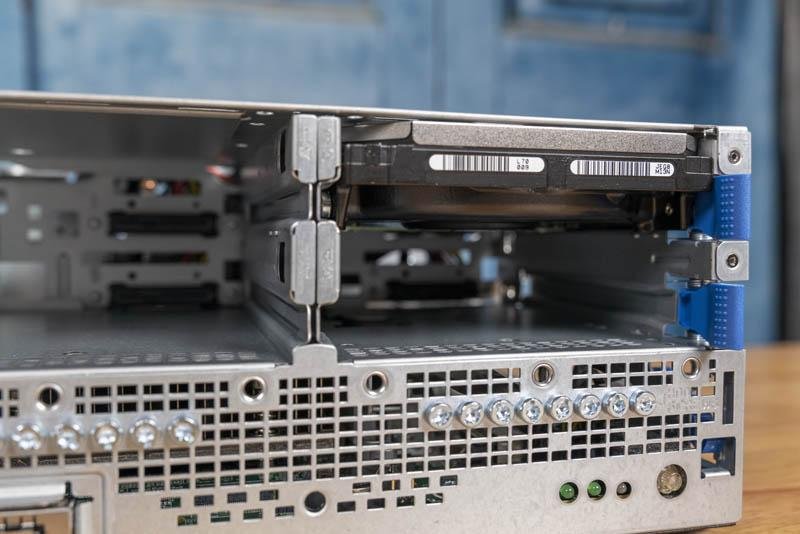
Envisioning Customization: The Rise of Micro Server Drives
The evolution of micro server drives signifies a pivotal moment in the landscape of data storage and computing. As businesses strive for greater efficiency and adaptability, these customized solutions allow for enhanced scalability and performance tailored to specific workloads.unlike traditional server configurations, micro server drives are designed with a focus on modularity, accommodating unique combinations of processing power, memory, and storage options to meet diverse needs. This flexibility opens the door for innovations that can significantly reduce operational costs while boosting effectiveness.
Key benefits of micro server drives include:
- Energy Efficiency: Optimized for lower power consumption while maintaining high performance.
- Space Optimization: Smaller footprint enhances data center density and reduces real estate costs.
- Customization: Build tailored architectures that can easily integrate with existing infrastructure.
- Enhanced Performance: Supports specialized workloads for AI,machine learning,and big data analytics.
| Feature | Description |
|---|---|
| Modularity | Allows for adjusting components easily based on changing requirements. |
| Scalability | Effortlessly expands resources as demand grows,ensuring sustainability. |
| Cost-Effectiveness | Reduces total cost of ownership with minimal investment and operational expenses. |
Harnessing Performance: Key Features and Benefits of Tailored Solutions
The rapid advancement in technology has paved the way for tailored solutions, especially in the realm of micro server drives. By customizing hardware and software configurations, businesses can optimize performance and efficiency. Specific features,such as scalability,allow organizations to expand their operations effortlessly. this adaptability ensures that as data needs grow, the infrastructure remains robust and responsive.
Another major advantage lies in the potential for enhanced energy efficiency. Tailored solutions can be designed to minimize power consumption while maintaining optimal performance levels. this results in not only reduced operational costs but also a smaller carbon footprint, aligning business objectives with environmental responsibilities. Moreover, the integration of advanced cooling solutions ensures that micro server drives maintain peak performance even under heavy workloads.
| feature | Benefit |
|---|---|
| Customizable Configurations | meets specific business needs and workloads |
| Improved Security | Tailored protocols to safeguard sensitive data |
| Cost-Effectiveness | Reduced need for excess hardware and maintenance |
Incorporating advanced management software not only streamlines operations but also facilitates real-time monitoring and updates.This flexibility allows IT teams to respond to challenges swiftly, enhancing the overall lifecycle management of the hardware. Additionally, with tailored solutions, companies can embrace innovative storage technologies, ensuring that their micro server drives are equipped to handle the demands of the future.
navigating Challenges: Addressing Limitations in Current Micro Server Technology
As the demand for micro server technology continues to rise, so to do the challenges that developers must navigate. One prevalent limitation is the scalability of micro servers. While they are compact and efficient, integrating scaling solutions can lead to complexities in architecture and performance.Users often find themselves in a tight spot,needing more power while managing energy efficiency and heat generation. To overcome these hurdles, innovators must focus on modular designs that can dynamically adapt to workload changes without compromising system integrity.
Furthermore, the interconnectivity between micro servers poses another set of challenges. High-throughput applications require effective dialog between numerous nodes, which can lead to bottlenecks if not adequately addressed.This reality calls for the growth of advanced networking technologies that can seamlessly handle data transfer without lag. Solutions such as software-defined networking (SDN) and network function virtualization (NFV) can significantly enhance both flexibility and efficiency, ensuring that the micro server ecosystem operates smoothly.
Additionally, it is essential to prioritize security in micro server deployment.With a rise in cyber threats,ensuring robust security protocols is non-negotiable.Security measures must evolve alongside technology advancements, incorporating features such as encryption, automated threat detection, and response strategies.By addressing these vulnerabilities head-on, developers can lay the groundwork for a more secure micro server landscape.
Future Forward: Strategic Recommendations for Adopting Customized Micro Server Drives
As organizations look to embrace the benefits of customized micro server drives, it’s essential to assess their current infrastructure and identify opportunities for optimization. Tailoring server solutions allows for enhanced performance, greater energy efficiency, and improved scalability. Companies should begin by conducting a thorough analysis of their existing hardware to determine which aspects can be upgraded or replaced with micro server drives. This foundational step ensures that the adoption of new technology aligns with both operational needs and future growth potentials.
Investing in training for IT teams is another critical recommendation. As micro servers can be quite different in their architecture from traditional servers, fostering a culture of continuous learning not only equips staff with necessary expertise but also maximizes the return on investment. Companies may consider implementing the following initiatives:
- workshops and Webinars: Regular sessions to share knowledge about the latest trends and features in micro server technology.
- Vendor Collaboration: Partnering with micro server manufacturers for tailored training programs.
- Cross-Functional Teams: Encouraging collaboration among developers, system architects, and IT support teams to ensure a holistic understanding of the technology.
Lastly, developing a phased migration strategy to integrate micro server drives could facilitate a smoother transition.By planning this process in stages, organizations can mitigate risks and continuously evaluate performance at each step. A simple roadmap might include:
| Phase | Action Items | Expected Outcome |
|---|---|---|
| 1 | Conduct Infrastructure Assessment | Identify all upgrade opportunities |
| 2 | Implementation of Pilot Projects | Evaluate efficiency and performance |
| 3 | Full Scale Deployment | Increase overall system capacity and reliability |
Q&A
Q&A: Tailored Solutions - Exploring the Future of Micro Server Drives
Q1: What exactly are micro server drives, and what role do they play in modern computing?
A1: Micro server drives are compact storage units designed for micro servers, which are lightweight servers optimized for energy efficiency and space utilization. These drives facilitate data processing and storage in environments that require scalability, such as cloud computing, edge computing, and IoT solutions. Their small form factor combined with high-performance capabilities makes them essential in an era where data generation is exponentially on the rise.
Q2: How have micro server drives evolved over recent years?
A2: Over the past few years, micro server drives have undergone meaningful advancements. Early iterations primarily focused on basic storage functions, but contemporary models now incorporate cutting-edge technologies such as NVMe interfaces, advanced caching algorithms, and enhanced durability. This evolution has been driven by increasing demand for faster data access speeds and more efficient energy consumption, ensuring that micro server drives keep pace with the growing complexity of IT infrastructures.
Q3: Why is there an increasing interest in tailored solutions for micro server drives?
A3: Organizations are seeking tailored solutions as they navigate the unique challenges of their specific workloads and applications. Off-the-shelf storage solutions often fall short in addressing unique performance or scalability requirements. By customizing micro server drives, companies can optimize their systems for particular uses—whether that be high-frequency trading, big data analytics, or streamlining cloud application performance. tailored solutions promise to enhance efficiency, reduce overhead costs, and improve overall user experience.
Q4: What technologies are emerging in the realm of micro server drives?
A4: The landscape of micro server drives is witnessing several exciting technologies, such as 3D NAND flash memory, which offers higher storage densities and durability.Additionally, artificial intelligence and machine learning are redefining how data is managed, allowing for smarter storage solutions that predict and adapt to usage patterns. Furthermore, advancements in data compression techniques and hybrid solutions combining different types of storage (like SSD and HDD) are also emerging, offering enhanced performance and cost-effectiveness.
Q5: How do micro server drives impact energy efficiency and sustainability in tech?
A5: Micro server drives play a crucial role in promoting energy efficiency and sustainability within technology. As organizations strive to reduce their carbon footprints, the energy-efficient design of micro server drives enables lower power consumption per unit of data stored or processed. Furthermore, many manufacturers are focusing on sustainable production practices and recycling initiatives to minimize the environmental impact of these drives.By providing an effective means of reducing energy costs and waste, micro server drives contribute significantly to greener IT practices.
Q6: What does the future hold for micro server drives and tailored solutions?
A6: The future of micro server drives is poised for growth, driven by continuous advancements in both hardware and software. As data becomes increasingly central to business strategy, tailored solutions will likely become more prevalent, allowing OEMs and service providers to creatively address specific demands across various industries. We can expect innovations such as more robust security features, enhanced integration with cloud services, and greater flexibility in scaling storage according to real-time needs. In essence, micro server drives will continue to be pivotal in shaping the future landscape of data storage and management.
—
Q7: How can businesses begin exploring tailored solutions for their micro server drives?
A7: Businesses can start by assessing their specific workload requirements and identifying any performance bottlenecks or storage challenges they face. Engaging with storage solution providers that specialize in custom configurations is also essential. These partners can offer insights into the latest technologies and help design solutions tailored to the organization’s unique needs. additionally, pilot testing smaller-scale deployments can provide valuable data on performance before fully committing to larger tailored implementations.
key Takeaways
as we stand on the brink of a technological revolution, the evolution of micro server drives offers a glimpse into a future defined by tailored solutions. The shift towards customization in storage architecture not only promises enhanced efficiency and performance but also signals a broader trend towards adaptability in the face of ever-growing data demands. As industries continue to grapple with the intricacies of data management and the quest for sustainability, micro server drives emerge as pivotal players on this dynamic stage.
the future of micro server drives is not merely about scaling down physical space; it’s about unlocking unique potentials tailored to meet diverse needs across various sectors. As we delve deeper into this landscape, the synergy of innovation, customization, and practicality will pave the way for smarter, more resilient storage solutions. By embracing these tailored technologies, we not only prepare ourselves for the challenges ahead but also redefine what is absolutely possible in data processing and storage. The journey has only just begun, and the horizon is rich with potential.