
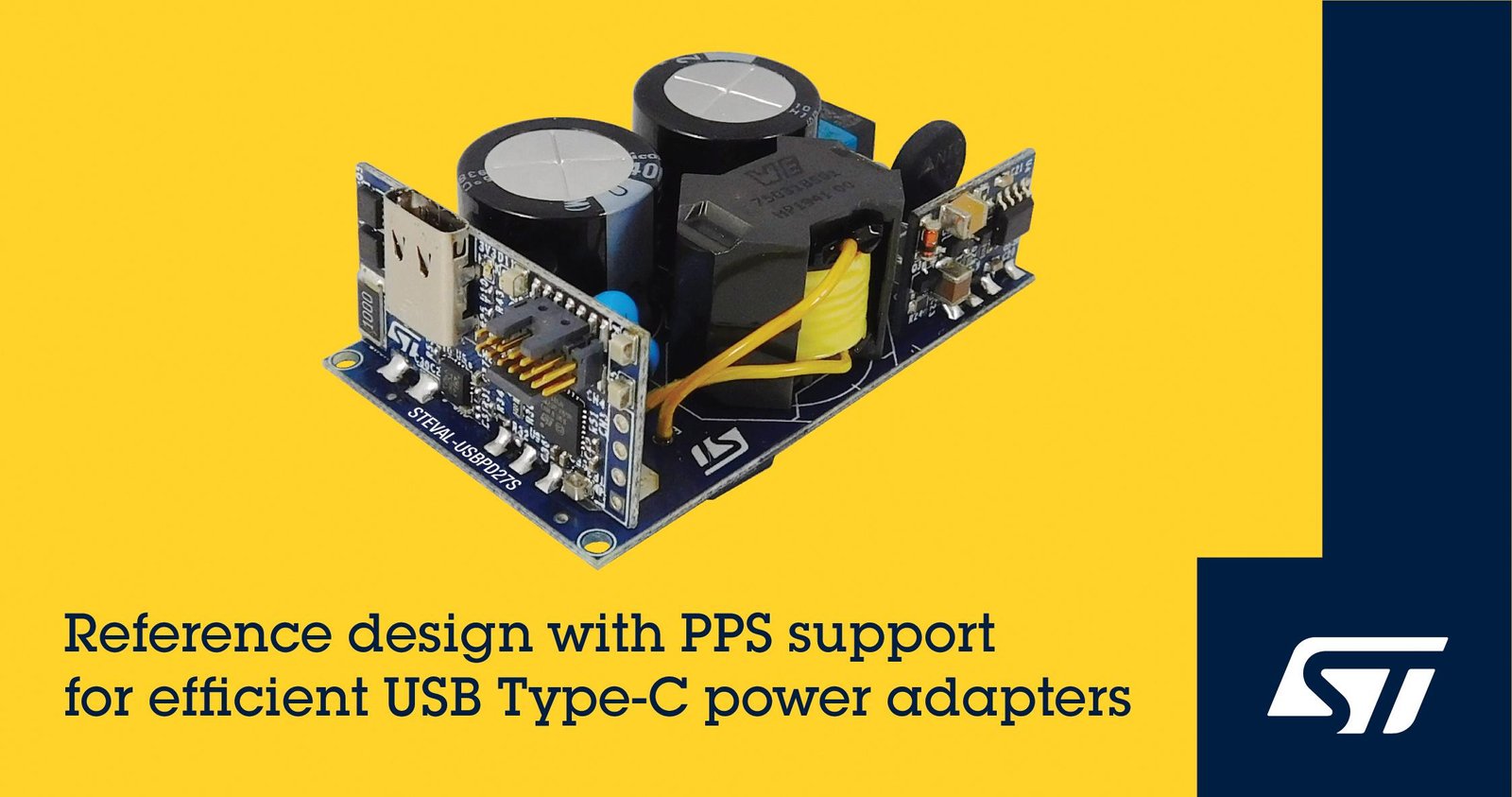
In an era where efficiency is paramount, industries are constantly in search of innovative solutions that can streamline operations and reduce energy consumption. Enter the low-voltage Dervo driver—a groundbreaking technology that is poised to revolutionize the way machines and systems operate across various sectors. Drawing on cutting-edge engineering and sustainable practices,the Dervo driver not only enhances performance but also minimizes resource waste,making it a game-changer for businesses aiming to boost productivity while embracing eco-friendly practices. In this article, we will delve into the intricacies of the low-voltage Dervo driver, exploring its design, functionality, and the myriad benefits it offers in maximizing efficiency for modern applications. Join us as we unpack the remarkable potential of this technology and its transformative impact on the future of industrial operations.
Table of Contents
- Unlocking the Potential of Low-Voltage Dervo Drivers in Modern Applications
- Streamlining Operations with Advanced Dervo technologies
- Comparative Analysis: Dervo Drivers vs. Traditional Power Solutions
- Implementing Best Practices for Optimal Performance and Efficiency
- Q&A
- The Conclusion
Unlocking the Potential of Low-Voltage Dervo Drivers in Modern Applications
The emergence of low-voltage Dervo drivers marks a turning point in the realm of modern technological applications. These compact yet powerful drivers not only deliver exceptional performance but also promote energy efficiency, making them ideal for a variety of functions. The integration of smart technology allows for precise control over speed and torque, enabling users to optimize their systems for tailored operations. Key advantages include:
- Reduced Power Consumption: Lower operational voltages lead to substantial energy savings.
- compact Design: Ideal for space-constrained environments without compromising performance.
- Enhanced Safety: Lower voltages are inherently safer, reducing risk of electrical hazards.
Moreover, the versatility of low-voltage dervo drivers has found them a home in a wide array of sectors, from robotics and automation to renewable energy systems. Their ability to interface seamlessly with advanced control systems highlights their evolutionary role in modern machinery. To illustrate their impact, the following table outlines some of the most common applications and their respective benefits:
| Application | Benefits |
|---|---|
| Smart HVAC Systems | Energy efficiency, enhanced comfort control |
| Automated manufacturing | Precision control, reduced operational costs |
| Electric vehicles | Improved battery performance, longer range |
Streamlining Operations with Advanced dervo Technologies
embracing cutting-edge technologies in the realm of low-voltage systems can significantly enhance operational workflows. Advanced Dervo technologies pave the way for seamless integration and optimized performance, proving to be game-changers in various industries. With the Dervo driver at the helm, organizations can experience a reduction in energy consumption, alongside minimizing the need for frequent maintenance. By leveraging such innovations, businesses can ensure greater reliability and sustainability, ultimately leading to cost savings and improved productivity.
Moreover, these advanced solutions facilitate real-time monitoring and data analysis. Organizations can track performance metrics and respond proactively to fluctuations in energy use, leading to more informed decision-making. Here are a few benefits of adopting advanced Dervo technologies:
- Increased Energy Efficiency: Lower operational costs through reduced energy consumption.
- Enhanced Responsiveness: Swift adjustments to operational parameters based on real-time data.
- Proactive Maintenance: Early detection of potential issues before they escalate.
| Feature | Benefit |
|---|---|
| Smart Connectivity | Integrates with existing systems effortlessly. |
| Predictive Analytics | Forecasts trends to optimize resource allocation. |
| Adaptive Control | Adjusts settings automatically for peak performance. |
Comparative Analysis: Dervo Drivers vs. Traditional Power Solutions
As industries strive for increased efficiency and sustainability, the comparison between Dervo drivers and traditional power solutions becomes more pertinent. Dervo drivers offer significant advantages over conventional systems, particularly in terms of energy consumption and adaptability. The flexibility of Dervo drivers enables them to manage varying loads without compromising performance, which is something traditional solutions struggle with. Moreover, these drivers boast a streamlined design that reduces installation and maintenance complexities, leading to decreased downtime and operational costs.
When assessing the overall performance metrics, the differences become even more pronounced. In a recent study, the following factors were considered:
| Performance Metric | Dervo Drivers | Traditional Power Solutions |
|---|---|---|
| Energy Efficiency | Up to 30% less energy consumption | Standard efficiency levels |
| Installation Time | 50% faster installations | Longer time frames |
| Maintenance Needs | Infrequent and less costly | Regular and expensive |
These compelling figures illustrate the evolving landscape of power solutions. Dervo drivers not only align with modern efficiency standards but also pave the way for smarter, automated systems.In contrast, traditional power solutions ofen fall short in these critical areas, presenting a clear choice for industries looking to maximize productivity while minimizing their environmental footprint.
Implementing Best Practices for Optimal Performance and Efficiency
To harness the full potential of low-voltage Dervo drivers, organizations must adopt a systematic approach that embraces the latest innovations while fostering a culture of continuous betterment. By investing in robust training programs for technicians and engineers, teams can ensure that everyone is well-versed in the functionality and maintenance of these advanced driver systems. Key areas of focus should include understanding energy consumption patterns, optimizing installation techniques, and promoting preventive maintenance strategies. incorporating regular performance reviews helps identify inefficiencies early, allowing for timely interventions that can significantly enhance productivity.
Collaboration plays a crucial role in achieving optimal performance. engaging with manufacturers and industry experts allows organizations to stay updated on emerging trends and technologies that can further refine their use of Dervo drivers.Establishing cross-functional teams can lead to innovative solutions geared towards specific operational challenges. The following best practices can drive efficiency:
- Regular system audits: Assess configurations to ensure maximum output.
- Real-time data analytics: monitor performance metrics for informed decision-making.
- Energy optimization strategies: Implement measures to reduce waste and enhance sustainability.
Using these practices can place any institution on the fast track to achieving superior results, ultimately transforming the way they approach low-voltage operations.
Q&A
Q&A: Maximizing Efficiency – The Low-Voltage Dervo Driver Revolution
Q1: What exactly is the Low-Voltage Dervo Driver, and how does it differ from traditional drivers?
A1: The Low-Voltage Dervo Driver is a new breed of power management technology designed to optimize performance in various applications, particularly in automation and electric mobility.Unlike traditional drivers that often operate at higher voltages, the Dervo Driver employs low-voltage operations which can lead to reduced energy consumption, lower heat generation, and a more compact design. This efficiency translates into longer lifespan for components and less downtime for maintenance.
Q2: What industries are most likely to benefit from the Dervo Driver technology?
A2: The Dervo Driver technology can be transformative across multiple sectors. Industries such as automotive, robotics, renewable energy, and smart home technology stand to gain significantly. Such as, in electric vehicles, the Dervo Driver allows for more efficient battery usage and smoother operation. In robotics, it enables finer motor control while minimizing energy waste, enhancing overall system performance.
Q3: How does the Dervo Driver contribute to sustainability efforts?
A3: The Low-Voltage Dervo Driver directly supports sustainability initiatives by reducing energy consumption. By operating more efficiently, devices powered by Dervo Drivers consume less electricity, thus lowering carbon footprints.moreover, the technology’s design reduces the need for bulky heat dissipation components, which further minimizes material usage and waste. As companies prioritize greener operations,the Dervo Driver becomes an essential component of their strategy.
Q4: Are there any specific innovations in Dervo Driver technology that stand out?
A4: Yes! One of the key innovations in Dervo Driver technology is its elegant control algorithms that ensure optimal performance under varying loads. These algorithms dynamically adjust the driver’s output, maximizing energy efficiency while maintaining precise control over motors and devices. Moreover, the use of advanced materials in construction enhances durability and efficiency, making it a robust choice for challenging environments.Q5: What challenges does the Dervo Driver technology face in the market?
A5: Despite its advantages, the Dervo Driver technology does face several challenges. Initial integration into existing systems may require adjustments, and there remains some resistance within traditional industries accustomed to older technologies. Additionally, the ongoing development and scalability of low-voltage components can present technical hurdles, necessitating further innovation and collaboration among industry stakeholders.Q6: What can stakeholders do to facilitate the adoption of Dervo Driver technology?
A6: To facilitate adoption, stakeholders such as manufacturers, policymakers, and researchers should foster collaboration across sectors. Sharing success stories, case studies, and best practices highlights the benefits of the Dervo Driver. Additionally, investing in education and training will help engineers and technicians feel confident in implementing this revolutionary technology, ultimately creating a ripple effect of efficiency improvements across industries.
Q7: What is the future outlook for the Low-Voltage Dervo Driver?
A7: The future of the Low-Voltage Dervo Driver looks promising as demand for energy-efficient solutions continues to grow. With advancements in technology and increased investment in renewable energy and electric mobility, the Dervo Driver is poised to play a pivotal role in shaping a more efficient future. As innovation unfolds, we can expect to see broader applications, improved designs, and a major impact on how we approach power management in the digital age.
The Conclusion
the advent of the low-voltage Dervo driver marks a pivotal shift in the landscape of efficiency-driven technology. By harnessing the power of innovation and engineering prowess, this remarkable advancement is not just about lowering energy consumption; it’s about reimagining our approach to performance and sustainability. As industries embrace these groundbreaking solutions, the potential for increased productivity and reduced environmental impact becomes clearer than ever.
The journey towards maximizing efficiency is ongoing, and the Dervo driver stands at the forefront, inviting us to rethink the way we approach energy use in our daily operations.As we continue to explore and develop these technologies,one thing is certain: the low-voltage dervo driver is not just a tool but a transformative force that can lead us toward a more efficient and sustainable future. Embracing this revolution is not only a step forward in technology but also a commitment to a cleaner,smarter world. The future is bright, and it begins with an unwavering dedication to efficiency, innovation, and the possibilities that lie ahead.