
In the ever-evolving landscape of industrial automation and robotics, the demand for precision, efficiency, and adaptability remains at the forefront of innovation. As technology continues to advance, the spotlight increasingly shines on low-voltage DC servo drivers—an essential component driving this conversion. These compact yet powerful devices are redefining how we approach motion control, offering a unique blend of energy efficiency and performance reliability. In this article,we will delve into the intricate world of low-voltage DC servo drivers,exploring their architecture,functionality,and the profound impact they have on various applications. Join us as we uncover the nuances that make these drivers not just a component, but a pivotal force in the quest for optimized efficiency.
Table of Contents
- Understanding the Fundamentals of Low-Voltage DC servo Drivers
- Maximizing Performance: Key Features of Efficient DC Servo Drivers
- Integrating Low-Voltage Solutions: strategies for Seamless Implementation
- Future Trends in Servo Technology: Innovations Shaping Efficiency and Beyond
- Q&A
- In Retrospect
Understanding the Fundamentals of Low-Voltage DC servo Drivers
low-voltage DC servo drivers are essential components in modern automation and robotics, providing precision control over motion and speed in a range of applications. Understanding the basics of how these devices operate is crucial for leveraging their potential effectively. they function by regulating the DC voltage supplied to a motor, allowing for smooth acceleration, deceleration, and position holding. through the use of feedback systems, servo drivers ensure the motor reaches the commanded position consistently, enhancing overall system performance.
Key features of low-voltage DC servo drivers include:
- Closed-Loop Control: Utilizing feedback to maintain accuracy and stability
- Compact Design: Space-saving features ideal for tight integration in machinery
- energy Efficiency: Consuming less power while delivering high performance
- Versatile Applications: Suitable for various fields, including robotics, CNC machines, and automated assembly lines
Moreover, the implementation of advanced technologies like digital signal processing enables customization of control parameters, further refining performance. The following table illustrates the comparison between traditional DC drivers and low-voltage DC servo drivers:
| Feature | Traditional DC Drivers | Low-Voltage DC servo Drivers |
|---|---|---|
| Control Type | Open-loop | Closed-loop |
| power Consumption | Higher | Lower |
| Precision | Moderate | High |
| Application Range | Limited | Extensive |
Maximizing Performance: Key Features of Efficient DC Servo Drivers
DC servo drivers are pivotal in maximizing performance across various applications, providing the control and efficiency that modern systems demand. Key features of these drivers significantly enhance their operational capabilities. For instance, advanced closed-loop control systems ensure that the motor operates at its optimal performance, leading to improved responsiveness and precision. Additionally, compact design reduces space requirements and simplifies integration into existing systems, which is notably beneficial in tightly packed environments.
Moreover, the integration of digital signal processing (DSP) technology allows for real-time adjustments, enabling seamless adaptation to changing loads and speeds. The incorporation of thermal management features ensures that the driver maintains optimal temperatures,preventing overheating and extending the lifespan of the entire system. To summarize,efficient DC servo drivers are characterized by:
- Closed-Loop Control
- Compact Design
- Digital Signal Processing
- Advanced Thermal Management
integrating Low-Voltage Solutions: Strategies for Seamless Implementation
Successfully integrating low-voltage solutions into existing systems involves a combination of strategic planning and execution. Identifying the Right Components is critical; choose components that complement your current architecture while enhancing performance metrics. Consider factors such as compatibility, power requirements, and physical space during selection.Creating a Extensive Implementation Plan helps guide the process, ensuring all stakeholders understand their roles.It’s beneficial to outline procedures that prioritize safety and system integrity, thereby minimizing potential disruptions during deployment.
Another essential aspect lies in Training and Support. Offering thorough training for your team can significantly reduce operational hiccups post-implementation. Providing access to ongoing technical support not only enhances user confidence but also promotes the efficient use of low-voltage DC servo drivers. Furthermore, establishing Feedback Mechanisms allows for fine-tuning and real-time improvement of the integrated system. The following table illustrates aspects of a training program designed to optimize the use of these low-voltage solutions:
| Training Module | Objectives | Duration |
|---|---|---|
| Introduction to Low-Voltage Systems | Understand fundamentals and benefits | 2 hours |
| Operational Best Practices | Learn proper handling and maintenance | 3 hours |
| Troubleshooting Techniques | Identify common issues and resolutions | 2 hours |
| advanced System Customization | Explore programming and optimization | 4 hours |
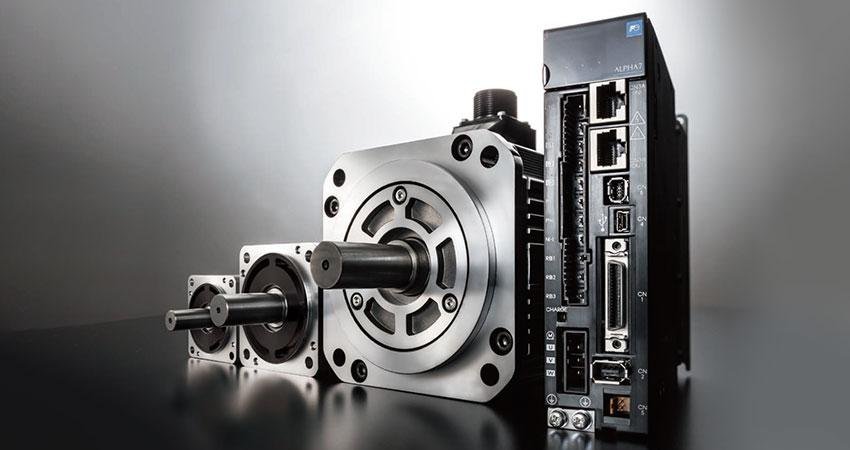
Future Trends in Servo technology: Innovations Shaping efficiency and Beyond
The evolution of low-voltage DC servo drivers is a testament to the relentless pursuit of efficiency in automation and robotics.Smart technology integration is paving the way for superior energy management and precise control. These drivers are now equipped with enhanced feedback systems that allow for adaptive learning and real-time performance optimization.As a result, machinery not only responds to commands with greater agility but also adjusts its operations based on the workload, leading to significant reductions in energy consumption. Key features to look for in the latest models include:
- Advanced control algorithms for improved response times
- Embedded diagnostics for proactive maintenance
- Greater compatibility with IoT devices for data-driven decision-making
- improved thermal management systems to enhance durability
As manufacturers continue to embrace greener practices, the development of low-voltage solutions heralds a new era of sustainable technology. This shift not only resonates with industry regulations but also aligns with the growing demand for eco-kind automation systems. The performance versus power consumption balance can now be achieved without compromising on speed or torque, favoring applications across sectors such as robotics, aerospace, and manufacturing. To illustrate the impact of these advancements, consider the following comparison of typical energy consumption across various applications:
| Application | Traditional Servo driver (W) | Low-Voltage DC Servo Driver (W) | Energy Savings (%) |
|---|---|---|---|
| robotic Arm | 150 | 75 | 50 |
| Conveyor system | 200 | 100 | 50 |
| CNC Milling Machine | 250 | 125 | 50 |
Q&A
Q: What are low-voltage DC servo drivers and why are they important in modern applications?
A: Low-voltage DC servo drivers are electronic devices designed to control the position, speed, and torque of servo motors operating at lower voltage levels. Their importance in modern applications stems from a growing need for energy efficiency, compact design, and precise control in fields such as robotics, automation, and CNC machinery. By optimizing power usage,these drivers contribute to longer battery life and reduced operational costs.
Q: How do low-voltage DC servo drivers differ from traditional drivers?
A: Unlike traditional drivers, which often operate on higher voltage inputs and may suffer from energy losses, low-voltage DC servo drivers are designed to operate efficiently at lower voltage levels. This unique approach minimizes heat generation, enhances performance, and allows for better integration in systems requiring lower power consumption. Their compact form factor also makes them suitable for systems were space is a critical consideration.Q: What advancements have been made in the design of low-voltage DC servo drivers?
A: Recent advancements in low-voltage DC servo drivers include the incorporation of advanced control algorithms, improved power electronics, and enhanced feedback systems. These innovations enable smoother operation, improved responsiveness, and greater reliability. Additionally, many modern drivers now include integrated communication capabilities, allowing for seamless connectivity with industrial networks and programmable logic controllers (plcs).
Q: What applications benefit the moast from low-voltage DC servo drivers?
A: Low-voltage DC servo drivers are particularly beneficial in applications where energy efficiency and precision are crucial. Industries such as robotics, automation, medical devices, and even automotive systems leverage these drivers for their ability to provide fine control in compact packages. Such as, robotic arms, automated guided vehicles (AGVs), and precise medical instruments all utilize these drivers to enhance performance while maintaining energy efficiency.Q: What are some of the challenges faced with low-voltage DC servo drivers?
A: While low-voltage DC servo drivers offer many advantages, they are not without challenges.One key issue is ensuring consistent performance under varying load conditions. Additionally, integrating these drivers into existing systems may require adaptations to accommodate their unique operating characteristics. Moreover, as technology advances, manufacturers must continue to innovate to address concerns related to electromagnetic interference and compatibility with evolving control systems.
Q: How does the efficiency of low-voltage DC servo drivers redefine energy use in various sectors?
A: The efficiency of low-voltage DC servo drivers redefines energy use by significantly reducing unnecessary power consumption, leading to a smaller carbon footprint and lower energy costs. In sectors where machinery runs continuously, such as in manufacturing or logistics, the cumulative benefits of these efficiencies can result in substantial operational savings and an overall boost to sustainability initiatives. As industries strive to meet increasingly stringent energy regulations, adopting these drivers becomes an attractive solution.Q: What future trends can we expect in the realm of low-voltage DC servo drivers?
A: Looking ahead, we can expect continued advancements in low-voltage DC servo drivers, particularly in areas such as smart technology, IoT integration, and AI-driven controls. The trend toward automation will likely drive further innovation, enabling more bright and adaptive systems that can optimize energy usage in real-time. Additionally,improvements in materials science may lead to the development of even more compact and efficient driver solutions,making them increasingly fundamental components in the next generation of automated systems.
In Retrospect
As we conclude our exploration into the realm of low-voltage DC servo drivers, it becomes clear that the advancements in this technology are not merely incremental but transformative. With efficiency redefined, these servo drivers hold the promise of optimizing performance across a myriad of applications, from robotics to automated systems and beyond. The ability to deliver precise control while minimizing energy consumption opens new avenues for innovation and sustainability in engineering.
The integration of low-voltage DC servo drivers is set to pave the way for smarter, more responsive systems that align with the growing demand for energy-efficient solutions in an ever-evolving technological landscape. As researchers and engineers continue to push the boundaries, we can anticipate not only enhanced operational capabilities but also a shift towards eco-friendlier practices in automation.
In this journey of exploration, the future appears bright, and the potential applications are as diverse as they are exciting. Whether you’re an enthusiast,a seasoned professional,or simply curious about the advancing technologies of today,the world of low-voltage DC servo drivers invites you to stay engaged. Embrace the possibilities,and prepare to witness the remarkable ways in which efficiency and innovation will continue to intertwine. Thank you for joining us on this insightful adventure.