
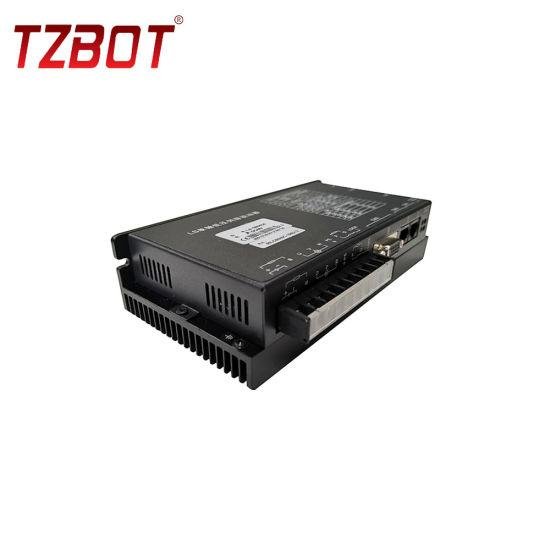
In an era where energy efficiency and sustainability reign supreme, the quest for innovative solutions in the realm of automation and control has never been more vital.At the forefront of this technological evolution lie low-voltage servo drivers—pioneering components that not only enhance the performance of various applications but also promise to optimize energy consumption. This article delves into the intricacies of low-voltage servo drivers,exploring their efficiency in a variety of settings,from industrial automation to renewable energy systems. We will examine how these compact powerhouses are transforming customary paradigms and pushing the boundaries of what is possible, inviting readers to join us on a compelling journey through the dynamic interplay of electricity and innovation.
Table of Contents
- Understanding the Fundamentals of Low-Voltage Dervo Drivers
- Optimizing Performance: Key Factors to Consider
- Cost-Benefit Analysis of Low-Voltage Solutions
- Future Trends in Low-Voltage Driver Technology
- Q&A
- Insights and Conclusions
Understanding the Fundamentals of Low-Voltage Dervo Drivers
Low-voltage Dervo drivers, typically operating at less than 60 volts, are essential components in the realm of modern electronic systems.Their capability to efficiently convert electrical energy into mechanical movement makes them ideal for applications where reliability and safety are paramount.One of the primary advantages of these drivers lies in their ability to provide precise control over motor functions, wich is crucial for tasks ranging from robotics to conveyor belt systems. As industries increasingly prioritize automation, understanding their core functionalities becomes vital.
These drivers are designed with a range of functionalities that enhance operational efficiency. Key features include:
- Compact Design: Low-voltage drivers are often smaller in size, making integration into existing systems more manageable.
- Energy Efficiency: Thay consume less power while delivering high performance, leading to reduced energy costs.
- Enhanced Safety: Operating at lower voltages minimizes risks associated with electrical shock and equipment failure.
The effectiveness of low-voltage Dervo drivers can be further analyzed through operational parameters. The following table outlines vital metrics for evaluating their performance:
| Parameter | Description</th | Typical Value |
|---|---|---|
| Voltage Range | The operational voltage limits. | 12-60V |
| Efficiency Rate | Percentage of power utilized effectively. | 80-95% |
| Control Precision | Accuracy of motor control. | Within 1% |
Optimizing performance: Key Factors to Consider
To achieve optimal performance with low-voltage Dervo drivers, several critical factors come into play. To begin with,power efficiency is fundamental. When selecting dervo drivers, it is essential to consider their efficiency ratings, which directly impact operating costs and overall energy consumption. By focusing on drivers that provide higher efficiency percentages, users can expect lower electricity bills while also contributing to sustainable practices in their operations.
Another pivotal factor involves thermal management. Low-voltage Dervo drivers can generate significant heat during operation,which can lead to reduced lifespan and performance degradation if not properly managed. Implementing cooling solutions, such as heat sinks or fans, can effectively mitigate this issue. Additionally, maintaining efficient airflow around the drivers will help keep their operating temperature within safe limits, ensuring reliability and longevity.
control systems play an integral role in the performance of low-voltage Dervo drivers. Advanced control algorithms can vastly improve responsiveness and precision during operation, offering adjustments in real-time to adapt to varying loads and conditions.Features to look for might include:
- Adaptive feedback mechanisms that learn from operational trends.
- Programmable settings for customized application needs.
- Integrated monitoring systems for performance tracking.
These factors not only enhance performance but also contribute to the overall efficiency of the system, ensuring maximum return on investment.
Cost-Benefit Analysis of Low-Voltage Solutions
when evaluating low-voltage Dervo drivers, conducting a thorough cost-benefit analysis is essential for understanding their potential impact on your operations. These solutions typically involve significant initial investments in technology and infrastructure. However, the long-term savings in energy consumption and maintenance costs can justify these upfront expenses. Cost factors to consider include:
- Initial purchase price of equipment
- Installation and setup costs
- Training expenses for staff
Conversely, the benefits often extend beyond mere savings. Low-voltage Dervo drivers can lead to improved efficiency and productivity in various operations. Their ability to optimize energy use translates to lower utility bills and reduced carbon footprints. In addition, the benefits may include:
- Extended equipment lifespan
- Increased operational reliability
- Enhanced adaptability to varying load conditions
To visualize these trade-offs better, consider the following table summarizing the financial implications of adopting a low-voltage solution:
| Factors | Estimated Cost | Long-term Savings |
|---|---|---|
| Initial Investment | $10,000 | N/A |
| Annual Energy Savings | N/A | $2,000 |
| Maintenance Costs | $1,000/year | $400/year |
By comparing these factors, businesses can make informed decisions about the feasibility of integrating low-voltage Dervo drivers into their systems. Taking a holistic view of both costs and benefits allows for an accurate assessment of whether these advanced solutions align with your operational goals and financial parameters.
Future Trends in Low-Voltage Driver Technology
The landscape of low-voltage driver technology is on the brink of change, driven by the demand for greater energy efficiency and compact designs. As industries worldwide pivot towards sustainable practices, the future of these systems is likely to incorporate advanced materials and innovative architectures that optimize performance.Leading-edge companies are investing heavily in developing germanium and gallium nitride semiconductors, which offer faster switching speeds and lower energy consumption compared to traditional silicon semiconductors.
Another focal point in future trends is the integration of bright control systems within low-voltage drivers. With the advent of artificial intelligence and machine learning, driver technology will become more adaptive and responsive to real-time operational demands. Future systems may feature:
- Self-diagnostic capabilities to monitor performance
- Predictive maintenance algorithms to minimize downtime
- Enhanced interaction protocols for seamless networking
To understand the impact of these advancements, consider a comparative analysis of emerging technologies against conventional methods:
| Feature | Traditional Technology | Future Technology |
|---|---|---|
| Material | Silicon | Germanium/Gallium Nitride |
| Efficiency | Low | High |
| Functionality | Basic control | Intelligent control |
| Maintenance | Manual | Automated predictive |
As the industry embraces these innovations, we can expect improved reliability and reduced operational costs across various sectors, including automotive, aerospace, and renewable energy. The convergence of cutting-edge technologies in low-voltage drivers serves not only to boost efficiency but also to pave the way for smarter, more sustainable infrastructures in the near future.
Q&A
Q&A: Exploring the Efficiency of low-Voltage Servo Drivers
Q1: What are low-voltage servo drivers, and why are they critically important in modern applications?
A1: low-voltage servo drivers are electronic devices that control the motion of servo motors by supplying the necessary voltage and current. They are crucial in various applications like robotics,automation,and CNC machines because they optimize power consumption while providing precise control over motor operations. Lower voltage requirements also contribute to energy efficiency, making them an environmentally friendly choice.
Q2: How do low-voltage servo drivers differ from their high-voltage counterparts?
A2: The primary difference lies in their operating voltage range and the resultant energy efficiency. Low-voltage servo drivers operate at significantly reduced voltages, often below 60V, whereas high-voltage drivers can exceed 100V. this difference leads to variations in energy consumption, heat generation, and component stress, ultimately impacting the efficiency and lifespan of the motor systems they control.
Q3: What are the main efficiency advantages of using low-voltage servo drivers?
A3: Low-voltage servo drivers boast several efficiency advantages,including reduced power losses due to lower resistance in the system,minimized heat generation,and enhanced energy recovery mechanisms. These drivers can also utilize smaller, lighter components, which not only reduces the overall system weight but also lowers material costs. Additionally, their compatibility with modern energy-saving technologies, such as regenerative braking, further enhances overall efficiency.
Q4: In what applications do low-voltage servo drivers excel, and why?
A4: Low-voltage servo drivers excel in applications requiring precision and control with limited power supply, such as drones, electric vehicles, and compact robotic systems. Their ability to operate efficiently at lower voltages allows for longer battery life in portable devices, while their responsiveness ensures high performance during demanding tasks. This makes them particularly suitable for industries focused on miniaturization and energy efficiency.
Q5: Are there any limitations to low-voltage servo drivers that users should be aware of?
A5: Yes, while low-voltage servo drivers offer numerous benefits, they are not without limitations.The lower voltage operation may restrict performance in high-torque applications or those requiring rapid acceleration. Additionally, users must ensure that their systems are designed to operate within the limits of low-voltage protocols, as inadequate specifications can lead to inefficiencies or failures. Understanding the specific requirements of the intended application is essential to making the right choice.
Q6: what trends are shaping the future of low-voltage servo drivers?
A6: The future of low-voltage servo drivers is being shaped by trends such as the rise of smart automation, advancements in battery technology, and the growing focus on sustainability. Innovations like advanced control algorithms and improved semiconductor materials are enhancing driver performances. Furthermore, the integration of IoT capabilities with servo drivers allows for more intelligent monitoring and control, paving the way for smarter, more efficient systems in diverse fields.
Q7: How can manufacturers and engineers optimize their systems for low-voltage servo drivers?
A7: To optimize systems for low-voltage servo drivers, manufacturers and engineers should focus on several key areas: selecting the right components that match the voltage ratings and performance needs, employing effective thermal management strategies, and implementing smart control algorithms that adapt based on operational demands.Regularly assessing system performance and staying updated on the latest technological advancements can also drive efficiency improvements and ensure long-term operational success.
This Q&A aims to highlight the integral role low-voltage servo drivers play in modern technology while offering insights into their advantages and considerations for successful implementation.
Insights and Conclusions
the exploration of low-voltage Dervo drivers reveals a promising landscape for enhancing efficiency across various applications. As industries increasingly seek sustainable and cost-effective solutions, the versatility and performance of these drivers stand to play a pivotal role in shaping future technologies. While the journey into their full potential is still unfolding, the insights gathered offer a glimpse into a world where energy consumption is minimized without compromising functionality.By embracing innovation and remaining open to new applications, we can harness the power of low-voltage Dervo drivers to drive progress and foster a more efficient tomorrow. As we look ahead, it will be essential to continue investigating and refining these technologies, paving the way for a new era of electrification.