
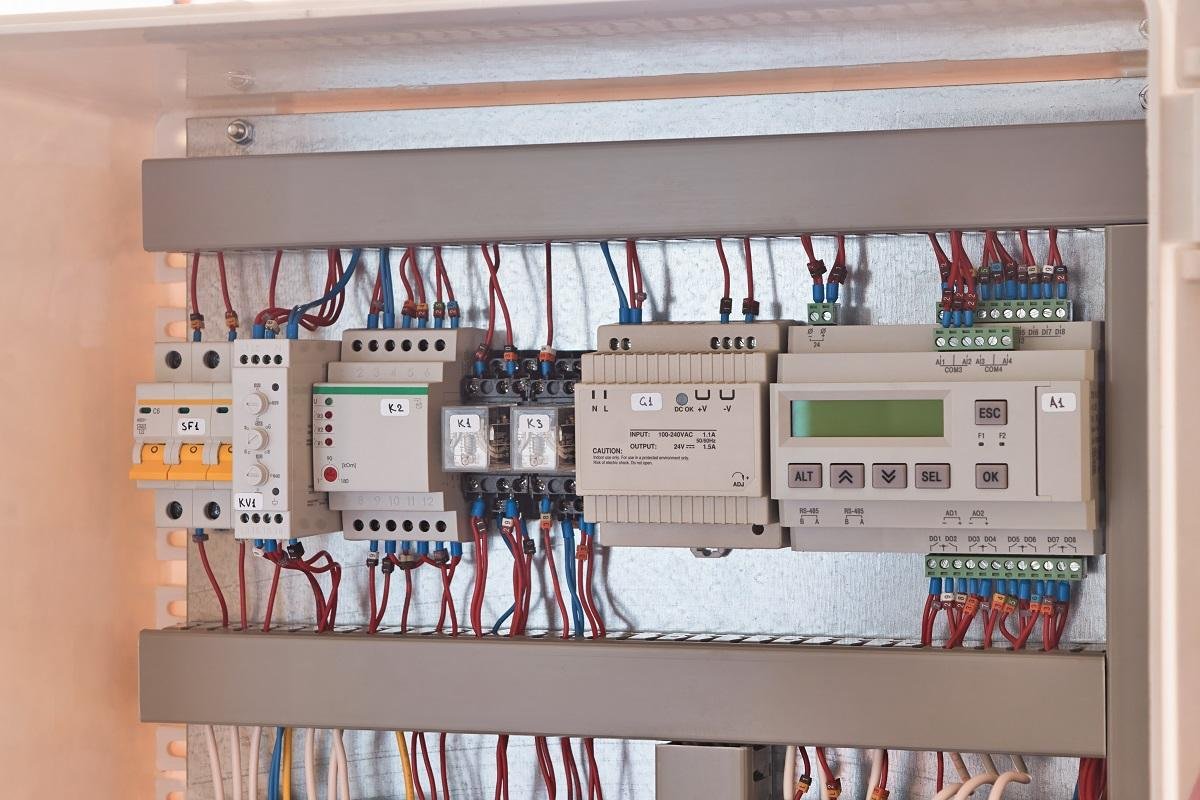
In an age where precision and efficiency reign supreme,the quest for optimal motion control solutions has never been more crucial. Enter low-voltage DC servo drivers: the unsung heroes of the automation and robotics landscape.These compact yet powerful devices play a vital role in translating electrical signals into precise mechanical movement, driving everything from industrial machinery too intricate robotic arms. As we delve into the realm of low-voltage DC servo drivers, we will uncover not only their basic mechanics but also the myriad applications and advantages that lend them their formidable influence in modern engineering. Join us as we explore how these devices are transforming the way we think about motion control, offering a perfect blend of innovation and reliability that propels technology into the future.
Table of Contents
- Understanding Low-Voltage DC Servo Drivers and Their Applications
- Key Benefits of Low-Voltage DC servo Drivers in Modern Automation
- Integrating Low-Voltage DC Servo Drivers for Enhanced System Performance
- Best Practices for Selecting and Implementing Low-Voltage DC Servo Drivers
- Q&A
- Key Takeaways
Understanding Low-Voltage DC Servo Drivers and Their Applications
Low-voltage DC servo drivers have emerged as pivotal components in modern automation and robotics, providing precise control over motion and speed. These compact devices convert the voltage signal from a control system into the torque necessary for a motor to function effectively. With a wide range of applications, they are integral to various sectors, including manufacturing, healthcare, and consumer electronics. The open-loop and closed-loop control mechanisms employed in these drivers ensure that devices perform optimally under varying loads and conditions.
One significant advantage of low-voltage DC servo drivers is their energy efficiency. Unlike traditional servo systems, which may consume excessive power, these drivers are designed to operate at lower voltages, considerably reducing overall energy consumption. Additionally, they offer enhanced performance in terms of response time and accuracy. This makes them ideal for applications that require rapid adjustments to speed and position, such as in CNC machines and robotic arms. Moreover, their compact size allows for easy integration into tight spaces, further broadening their usability in innovative designs.
The versatility of low-voltage DC servo drivers can be encapsulated in several key applications, such as:
- Robotics: Facilitating precise movements in robotic arms and drones
- Automated manufacturing: Enhancing the speed and accuracy of assembly lines
- Medical equipment: Providing reliable motion control in devices like ventilators and surgical robots
Furthermore, as industries continue to evolve, the demand for these drivers is poised to grow, spearheading innovations in automation and creating avenues for smarter manufacturing.
Key Benefits of Low-Voltage DC Servo Drivers in Modern automation
Low-voltage DC servo drivers offer a myriad of advantages that contribute to the efficiency and effectiveness of automation systems. One of the primary benefits is their energy efficiency, which is critical in modern industrial applications where power consumption directly impacts operational costs.With lower voltage requirements, these drivers consume less electricity, allowing manufacturers to reduce their overall carbon footprint while still achieving high-performance results.
Another key advantage is the enhanced precision these servo drivers provide in motion control. Low-voltage DC servo drivers are designed to deliver smooth and accurate positioning, making them exceptionally suited for applications that require meticulous movement, such as robotics and CNC machinery.Their ability to maintain stability and minimize overshoot or oscillation ensures that every action performed by the automated system is predictable and reliable.
Moreover, low-voltage DC servo drivers are typically characterized by their compact design, making them ideal for cramped spaces often encountered in modern automation settings. Their small size not only facilitates straightforward installation but also enables flexibility in system design. This is further complemented by their robustness, which makes them capable of operating in harsh environments without compromising performance.These features collectively empower engineers to create more innovative and efficient automation solutions.
Integrating Low-Voltage DC Servo Drivers for Enhanced System Performance
Integrating low-voltage DC servo drivers into your system can lead to substantial improvements in performance, efficiency, and flexibility.these advanced drivers allow for precise control over motor functions,ensuring smooth operation and enhanced responsiveness.By leveraging the latest in control algorithms and feedback mechanisms, users can achieve a new level of accuracy and adaptability that traditional systems simply cannot match. The higher resolution motion control enables the execution of complex tasks that demand intricate positioning and timing, making them suitable for applications ranging from robotics to CNC machinery.
One of the standout features of low-voltage DC servo drivers is their energy efficiency. Unlike traditional high-voltage options,these drivers are designed to consume significantly less power while maintaining high performance levels. This translates to reduced operational costs and a lower carbon footprint,making them an ideal choice for environmentally conscious businesses. Additionally, low-voltage systems usually possess a compact form factor, often leading to reduced setup space and easier integration into existing workflows.
When selecting a low-voltage DC servo driver, consider key factors such as compatibility, control architecture, and the specific needs of your submission.Evaluating the following criteria can help streamline your decision-making process:
| Criteria | Explanation |
|---|---|
| Voltage Rating | Ensure that your motor’s specifications align with the driver’s voltage capabilities. |
| Control Method | Choose between PWM, analog, or digital interfaces based on your control requirements. |
| Feedback Type | Decide if you need encoders or other feedback mechanisms for precision control. |
Best Practices for Selecting and implementing Low-Voltage DC Servo Drivers
when selecting a low-voltage DC servo driver,it is crucial to consider both the operational requirements of your application and the specifications of the driver itself. Performance ratings such as voltage, current capacity, and power ratings should align with your servo motor’s requirements.Additionally, ensure that the driver can handle the requested speeds and torque outputs. Conducting a thorough load analysis will help in determining the optimal driver for your system, allowing you to maximize performance and efficiency.
Integration compatibility is another key factor. Check for communication protocols that the driver supports, such as CANopen, ethercat, or RS-232. This will ensure seamless communication with your existing control systems. Moreover, assess the driver’s ease of programming and configuration.A user-friendly interface can significantly reduce setup time and simplify troubleshooting, making it essential to choose a driver that fits comfortably within your technical capabilities.
Once the appropriate driver is selected,implementing it effectively is vital for achieving desired performance outcomes. Begin by establishing a complete wiring diagram to avoid connection issues and ensure optimal signal transmission. It can be helpful to utilize testing equipment, such as oscilloscopes and multimeters, to verify voltage levels at different stages of the setup. Maintaining clear documentation throughout the installation process will aid in future maintenance and modifications.consider conducting load testing to confirm that everything functions as was to be expected before the system goes live.
Q&A
Q&A: Exploring the Power of Low-Voltage DC Servo Drivers
Q1: what are low-voltage DC servo drivers, and why are they gaining attention in modern applications?
A1: Low-voltage DC servo drivers are electronic devices designed to control the motion of DC motors with precision and efficiency. They are increasingly gaining attention due to their ability to deliver high torque at lower voltages, reducing energy consumption and heat generation. This efficiency makes them ideal for applications in robotics, automation, and electric vehicles, where agility and performance are paramount.
Q2: How do low-voltage DC servo drivers differ from traditional servo drivers?
A2: Traditional servo drivers typically operate at higher voltage levels, which can lead to increased power consumption and thermal management challenges.In contrast, low-voltage DC servo drivers leverage advances in semiconductor technology to operate effectively at reduced voltages. This not only minimizes energy loss but also allows for more compact designs and simpler integration into various systems.
Q3: What advantages do low-voltage DC servo drivers offer in terms of energy efficiency?
A3: One of the primary advantages of low-voltage DC servo drivers is their ability to optimize energy usage. They reduce power loss through heat dissipation and typically operate in a more efficient range of voltage, helping to prolong battery life in portable applications. This energy efficiency is crucial for sustainability efforts and reducing operational costs in industrial settings.
Q4: Are there specific industries where low-voltage DC servo drivers shine the brightest?
A4: Absolutely! Industries such as robotics, automotive, medical devices, and aerospace are reaping the benefits of low-voltage DC servo drivers.In robotics, they enable precise control for movement and positioning. In electric vehicles, they enhance drive systems with efficient energy use. Meanwhile, in medical devices, their compact form and reliability are essential for critical applications.
Q5: What challenges might engineers face when implementing low-voltage DC servo drivers in their designs?
A5: While low-voltage DC servo drivers boast numerous benefits, engineers may encounter challenges such as incorporating these drivers into existing systems designed for higher voltage operations.Additionally, tuning and calibrating the drivers for optimal performance can demand a learning curve, as can integrating new control algorithms specific to low-voltage scenarios.
Q6: What are the trends shaping the future of low-voltage DC servo drivers?
A6: The future of low-voltage DC servo drivers is being shaped by advancements in smart technology, including artificial intelligence and machine learning. Integration with IoT systems is also on the rise, allowing for more elegant monitoring and control. As demands for automation and efficiency continue to grow, we can expect to see innovations that push the boundaries of performance and versatility in low-voltage systems.
Q7: What is the takeaway for companies considering the adoption of low-voltage DC servo drivers?
A7: Companies contemplating the adoption of low-voltage DC servo drivers should recognize their potential to enhance efficiency, reduce costs, and improve performance across a variety of applications. Embracing this technology can lead to not only operational benefits but also a competitive edge in an evolving market focused on sustainability and innovation. As with any technology transition, thorough research and planning will be key to successful implementation.
Key Takeaways
As we conclude our exploration into the world of low-voltage DC servo drivers,it becomes evident that these compact powerhouses are more than just components—they are catalysts of innovation in various industries. Their ability to provide precise control, efficiency, and flexibility is transforming the way we approach automation and motion control.
By embracing the technology underpinning these drivers, engineers and designers can unlock new levels of performance and creativity in their projects. Whether it’s in robotics, manufacturing, or even everyday devices, the quest for efficiency and refinement continues to drive advancement. As the landscape of technology evolves, so too will the applications and capabilities of low-voltage DC servo drivers, paving the way for advancements we have yet to imagine.
In this dynamic realm, understanding the fundamentals and potential of these drivers empowers us all to harness their capabilities more effectively. As you venture forward, consider how these small yet mighty devices can shape the future of your projects and industries. The journey has just begun, and the power of low-voltage DC servo drivers is poised to lead us into uncharted territories of automation and efficiency.