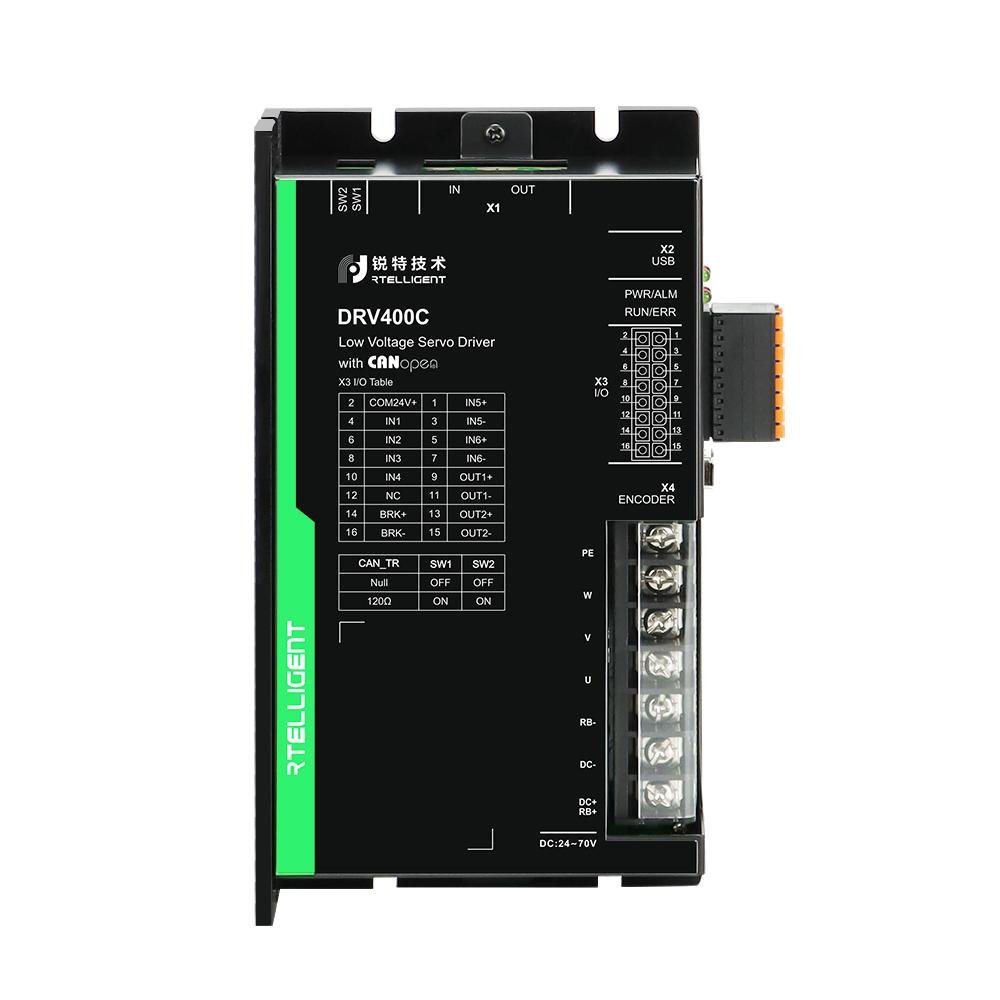
Exploring the world of low-Voltage DC Servo Drivers
In an age where precision and efficiency reign supreme, the mechanisms that power our technological advancements must keep pace with the growing demands of innovation. Enter the realm of low-voltage DC servo drivers—unsung heroes that orchestrate the seamless dance of motion in countless applications, from robotics and CNC machines to medical devices and industrial automation. As the backbone of modern control systems, these sophisticated components offer an intriguing blend of performance, reliability, and adaptability.In this article, we journey into the captivating world of low-voltage DC servo drivers, unraveling their principles, applications, and the emerging trends that promise to shape their future. Whether you are a seasoned engineer or simply curious about the machines that surround us, join us as we delve into the intricacies of these versatile devices that drive the future of technology.
Table of Contents
- Understanding Low-Voltage DC Servo Drivers and Their Applications
- Key Features to Consider for Optimal Performance
- Selecting the Right Servo Driver for Your Project Needs
- Troubleshooting Common Issues with Low-Voltage DC Servo Systems
- Q&A
- Concluding Remarks
Understanding Low-Voltage DC Servo Drivers and Their Applications
Low-voltage DC servo drivers are essential components in the realm of motion control, designed to precisely control the position, speed, and torque of DC motors. These drivers operate on a low voltage—typically below 48V—making them particularly suitable for applications where safety, efficiency, and compactness are critical. with their advanced feedback mechanisms, these devices ensure smooth and accurate movement across various operations, paving the way for innovations in automation and robotics.
Common applications of low-voltage DC servo drivers can be found across several industries. These include:
- Robotics: Precision movements in robotic arms and autonomous vehicles.
- Industrial Automation: Conveyor systems and assembly lines requiring consistent performance.
- medical Equipment: Devices like surgical robots that demand high precision and reliability.
Additionally, these drivers are often integrated with programmable controllers, allowing for customized operation tailored to specific tasks.The versatility of low-voltage DC servo drivers means they can be adapted to meet the rigorous demands of sophisticated control schemes, thus enhancing the efficiency of various systems.
When selecting a low-voltage DC servo driver, it is vital to consider several key factors:
| Factor | Description |
|---|---|
| Voltage Rating | Ensure compatibility with motor specifications and application demands. |
| Control Mode | Choose between PWM, voltage, or current control based on requirements. |
| Feedback Type | Opt for open-loop or closed-loop systems based on precision needs. |
Key Features to Consider for Optimal Performance
When selecting low-voltage DC servo drivers, there are several critical features that can significantly enhance performance and ensure your system operates optimally. power Handling is paramount—drivers capable of managing varying power levels will offer greater versatility and efficiency in design. Additionally,ensure to consider the Control Interface,as compatibility with different protocols (like CAN,EtherCAT,and RS-232) will determine how effectively the driver can communicate with other components in your system.
Another essential feature is Feedback Technology. Servo drivers equipped with advanced feedback mechanisms, such as encoders or resolvers, can ensure precise control over motor position and velocity. this level of accuracy is crucial for applications ranging from robotics to CNC machinery.Don’t forget to evaluate Diagnostics and monitoring Capabilities; integration of real-time monitoring functions can definitely help preemptively address issues, reducing downtime and maintenance costs.
To sum it up, understanding the specifications of low-voltage DC servo drivers is crucial for achieving desired outcomes. The table below highlights some performance metrics to consider:
| Feature | Importance | Parameter Range |
|---|---|---|
| Power Handling | Efficiency and Compatibility | 5W – 500W |
| Control Interface | System Integration | CAN, EtherCAT, RS-232 |
| Feedback Technology | Precision Control | Incremental, Absolute |
| Diagnostics | System Reliability | Yes/No |
Selecting the Right Servo Driver for Your Project Needs
Choosing the appropriate servo driver for your project can significantly impact performance and efficiency. Consider the following key factors:
- Voltage and Current Ratings: Ensure the driver’s specifications match the voltage and current requirements of your servo motor to avoid any damage or underperformance.
- Control Type: Decide if you need a position, speed, or torque control, as each application may require a different type of driver.
- Integrated features: Look for features like feedback systems, thermal protection, and built-in current limiting that can enhance functionality and ease of use.
Different applications may lead you to choose between analog and digital servo drivers. Analog drivers are generally simpler but might lack the versatility of their digital counterparts, which can offer advanced tuning options and better precision.Below is a comparison of key attributes:
| Attribute | Analog Drivers | Digital Drivers |
|---|---|---|
| Ease of setup | Relatively straightforward | Requires calibration and tuning |
| Precision | Moderate | High |
| Scalability | Limited | Highly scalable |
Lastly, consider the environment where your servo driver will operate. Factors such as temperature,humidity,and potential exposure to dust or chemicals can influence your choice. You may want to prioritize durability and insulation features in your driver to ensure reliable operation under challenging conditions. Furthermore, it’s advisable to check the availability of technical support and resources that can assist with troubleshooting, firmware updates, and modifications in the future.
Troubleshooting Common Issues with Low-Voltage DC Servo Systems
Troubleshooting low-voltage DC servo systems can often feel daunting, but with a systematic approach, you can pinpoint and resolve issues effectively. One common problem is erratic motor behavior, which can stem from several factors. Start by checking the following:
- Power Supply Voltage: Ensure that your power supply delivers the correct voltage as specified by your DC servo driver.
- Wiring Connections: Inspect all connections for looseness, fraying, or breaks.Properly secured connections prevent intermittent signals.
- Signal Interference: Look for sources of electromagnetic interference (EMI) nearby, which can distort control signals.
If the servo system fails to respond at all, it is vital to conduct a deeper examination.One potential cause might be a misconfigured controller. Verify that:
- Control Parameters: check that your PID settings suit the application requirements.
- Software Configuration: Confirm that any software settings correspond correctly to the hardware and operational conditions.
- Feedback Mechanisms: Ensure that feedback devices such as encoders are functioning and calibrated accurately.
in some cases, overheating can lead to performance drops. Keeping an eye on temperature can be crucial to maintain longevity. If overheating occurs, consider these factors:
- Load Conditions: Assess whether the load exceeds the servo’s rated capacity.
- Cooling Solutions: Implement cooling mechanisms like fans or heatsinks to improve thermal management.
- Continuous Operation: Avoid prolonged periods of operation under maximum load, which can lead to thermal buildup.
Q&A
Q&A: Exploring the World of Low-Voltage DC Servo Drivers
Q1: What is a low-voltage DC servo driver, and how does it function?
A1: A low-voltage DC servo driver is an electronic device that controls the motion of a DC motor by adjusting voltage levels to regulate speed and position. It translates command signals into appropriate power levels, allowing the motor to respond instantaneously to control inputs with precision, making it ideal for applications requiring accurate movement.
Q2: What distinguishes low-voltage DC servo drivers from other types of motor drivers?
A2: The primary distinction lies in their operating voltage range, typically below 60 volts, and their sophisticated feedback mechanisms.Unlike basic drivers, which may simply provide on/off control, low-voltage DC servo drivers utilize sensors to continuously monitor and adjust the motor’s performance, ensuring smooth and accurate operation across diverse applications.
Q3: What are the typical applications of low-voltage DC servo drivers?
A3: Low-voltage DC servo drivers are commonly found in robotics,CNC machinery,automation systems,and electric vehicles. their precision and reliability make them suitable for any task requiring meticulous control of movement, such as in 3D printers, robotic arms, and even in consumer electronics where precise motor control is necessary.
Q4: What advantages do low-voltage DC servo drivers offer?
A4: These drivers provide several advantages, including energy efficiency, compact designs, and reduced heat generation, which ultimately enhances the system’s overall lifespan. Their high responsiveness and precision also contribute to smoother operation and improved stability during motion, leading to optimized performance in applications.
Q5: Are there any notable challenges associated with using low-voltage DC servo drivers?
A5: While low-voltage DC servo drivers are beneficial, they do come with challenges, such as sensitivity to fluctuations in power supply and the need for precise calibration. Additionally, they can require more complex programming compared to simpler motor controls, which may increase the initial growth time for an application.
Q6: How has technology influenced the evolution of low-voltage DC servo drivers?
A6: Advances in semiconductor technology, such as the development of MOSFETs and integrated circuits, have significantly enhanced the capabilities of low-voltage DC servo drivers. These innovations have resulted in smaller, more efficient drivers with improved performance characteristics, enabling their integration into more compact and high-performance applications.
Q7: What should a designer consider when selecting a low-voltage DC servo driver for their project?
A7: Designers should consider factors such as the motor specifications (voltage, current, torque), the required precision and speed of control, programming complexity, and compatibility with existing systems. Additionally, the thermal management and environmental conditions where the servo will operate should weigh heavily in their decision-making process to ensure reliability and longevity.
Q8: What is the future outlook for low-voltage DC servo drivers in emerging technologies?
A8: The future for low-voltage DC servo drivers appears promising, particularly with the growth of automation, robotics, and smart technologies. As industries continue to strive for greater efficiency and precision,these drivers are poised to evolve further,potentially integrating features like machine learning for predictive control and enhanced self-diagnostics,paving the way for smarter systems across various sectors.Q9: Where can readers find more facts or resources about low-voltage DC servo drivers?
A9: Readers can explore various online resources, including electronics engineering forums, manufacturer websites, and educational platforms that specialize in automation technologies. Technical documentation and application notes from driver manufacturers can also provide valuable insights into specific uses and configurations for low-voltage DC servo drivers.
Concluding Remarks
As we conclude our exploration of low-voltage DC servo drivers, it’s evident that we stand at the intersection of innovation and precision. These compact yet powerful devices offer a gateway to enhanced control, efficiency, and versatility in a myriad of applications— from robotics to automation systems. Their ability to provide smooth, accurate motion with minimal power consumption not only drives mechanical performance but also aligns with the growing demand for sustainable engineering solutions.
As technology continues to evolve, so too will the capabilities of low-voltage DC servo drivers, paving the way for smarter, more responsive systems. Whether you are a seasoned engineer or a curious enthusiast, the world of low-voltage servo control invites exploration and innovation.The journey doesn’t have to end here— dive deeper into the specifications, consider the integration possibilities, and envision the future applications that these remarkable devices can inspire.
Thank you for joining us on this insightful journey. We hope it sparks your curiosity and propels you forward in your own adventures within the realm of automation and beyond.Keep experimenting, keep innovating, and, most importantly, keep exploring!